There is a moment most car owners have had. You’re walking to your vehicle, the light hits it at a certain angle, and you notice it. The paint looks dull, or there’s a scratch that’s been bothering you for months, or the colour just doesn’t look the way it used to. The immediate question is always the same: does this need a full respray or is there another way?
The answer depends on what’s actually going on with your paint, and getting it wrong in either direction costs you. Going straight to a full respray when a polish or spot repair would have done the job means spending money you didn’t need to. Trying to polish or cover damage that genuinely needs respraying means the problem comes back faster and usually looks worse the second time around.
When a Polish or Paint Correction Will Do
If the issue is surface level, light swirl marks, minor oxidation, or a dullness that’s come from sun exposure and infrequent washing, a professional polish or paint correction can restore the finish without touching the actual paint layer. This works when the clear coat is still intact and the colour underneath is still in reasonable condition.
A good paint correction done properly can make a car look significantly better without the cost or time of a respray. The key word is properly. A rushed polish with the wrong products on a car that actually needs more work will leave you disappointed and still facing the same problem.
When You Actually Need a Respray
If the clear coat is peeling, if there is visible rust starting to show through the paint, if the colour has faded unevenly across panels, or if there has been bodywork done that left the area looking noticeably different from the rest of the car, a respray is the right call. Trying to correct those issues at a surface level won’t hold and will cost you more in the long run when you eventually have to do the respray anyway.
Deep scratches that have gone through the clear coat and into the base coat or primer also need proper paint attention. Once moisture gets into those layers, rust is only a matter of time, especially in a coastal city like Lagos.
Partial Panel Respray vs Full Vehicle Respray
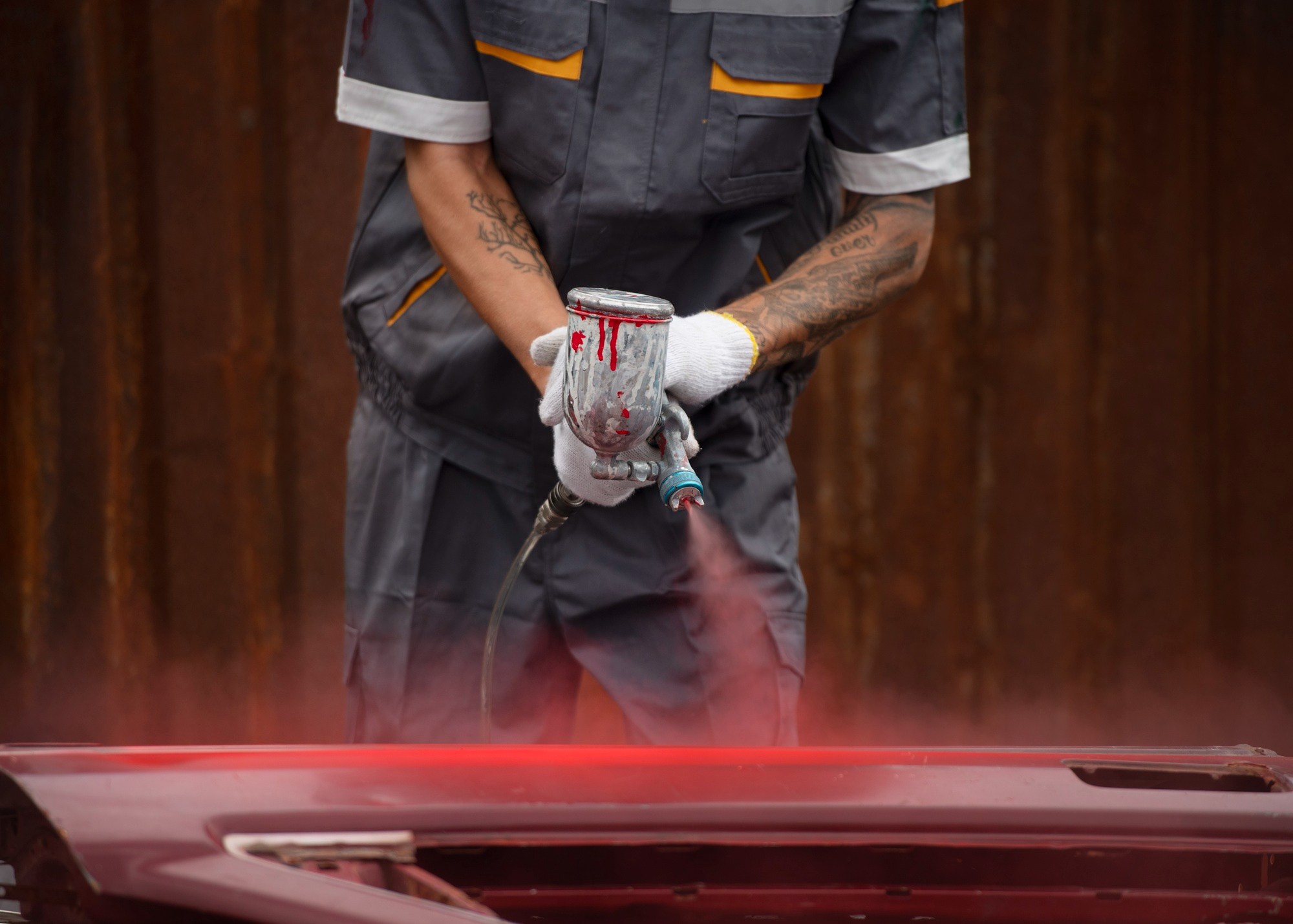
Not every respray has to be a full vehicle job. If the damage is isolated to one or two panels, a partial respray done with proper colour matching is a legitimate and more affordable option. The critical factor here is the colour match. A partial respray that doesn’t match the rest of the car is immediately visible and makes the vehicle look worse than the original damage did.
At Ehsojay, we colour match to factory specifications before any paint goes on. If a partial respray is the right solution for your car, we’ll tell you. If the overall condition of the paint means a full respray makes more sense financially and visually, we’ll tell you that too.
The Question to Ask Before You Decide
Before you commit to anything, get a proper assessment from someone who will give you an honest answer rather than just selling you the most expensive option. Understand what the damage actually is, what the right solution looks like, and what the result should be before any work begins. That conversation should happen before money changes hands, not after.
If you’re not sure where your car stands, bring it in. We’ll take a look and give you a straight answer.